How to clean an espresso machine

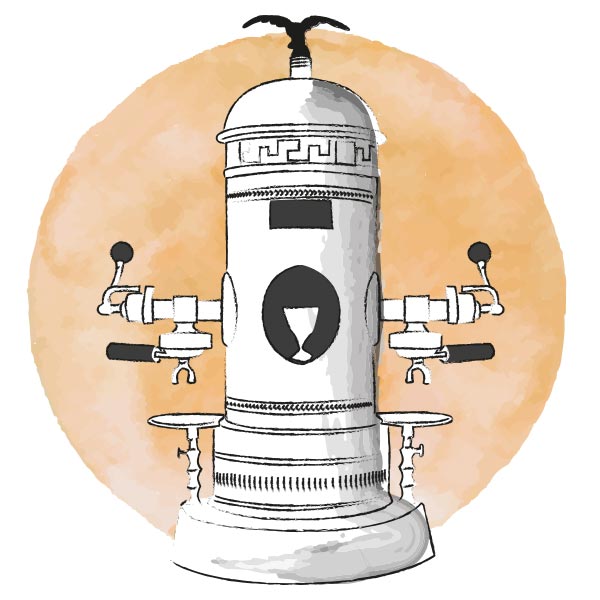
An espresso machine works by forcing pressurised hot water through a ‘puck’ of ground coffee compacted into a portafilter. This produces thick, concentrated coffee called espresso, which can be a drink in itself or diluted and used as a base for other drinks.

See our full guide to cleaning all types of coffee machines, including the coffee grinder which accompanies your espresso machine, in our free best practice to coffee craft guide here.


Cleaning regime for espresso machines

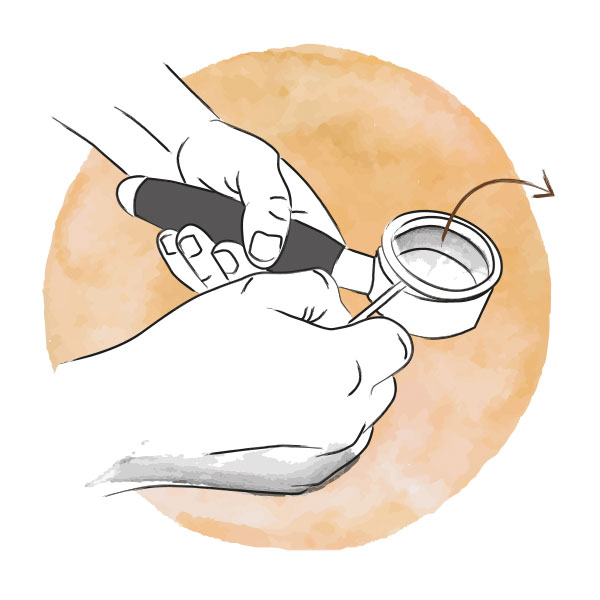
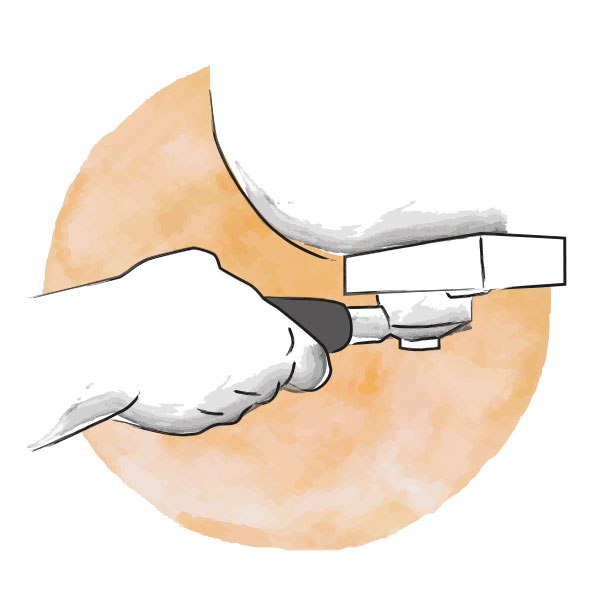
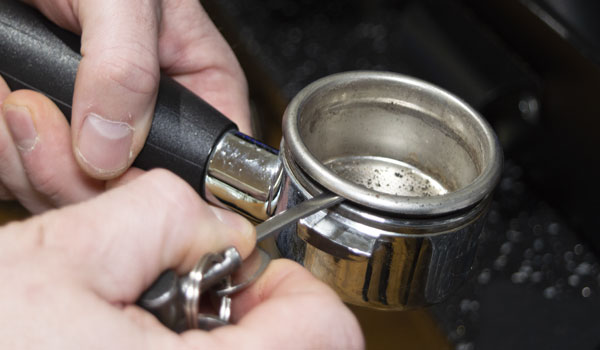
1. Remove the portafilter from the group, then use a screwdriver or tool to remove the basket.

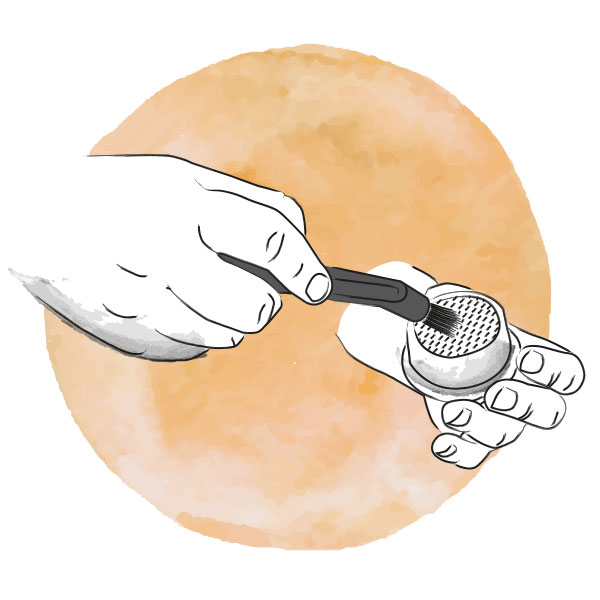
2. Using a cleaning brush, scrub all residue coffee from the basket and inside the portafilter, as well as inside the group head. Turn on the group head to flush.

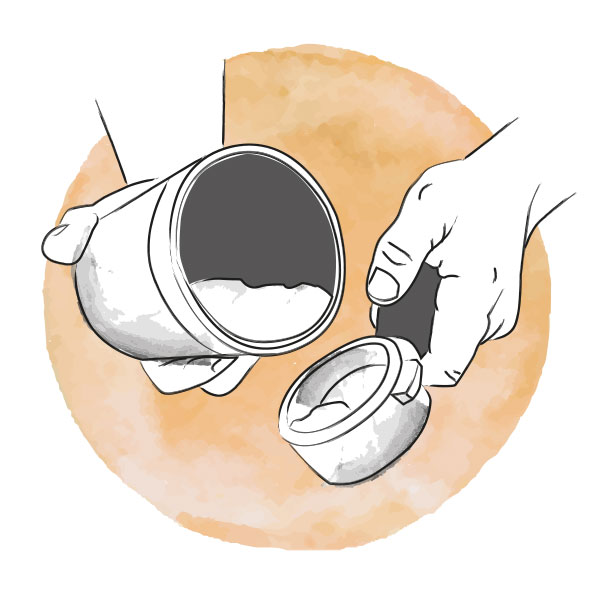
3. Place a blanking disk and half a teaspoon of cleaning detergent into the portafilter, lock it in place and activate to begin back-flushing.

4. Backflush the group head in line with your machine’s instructions, repeating for each group. Carry out a final backflush without detergent.

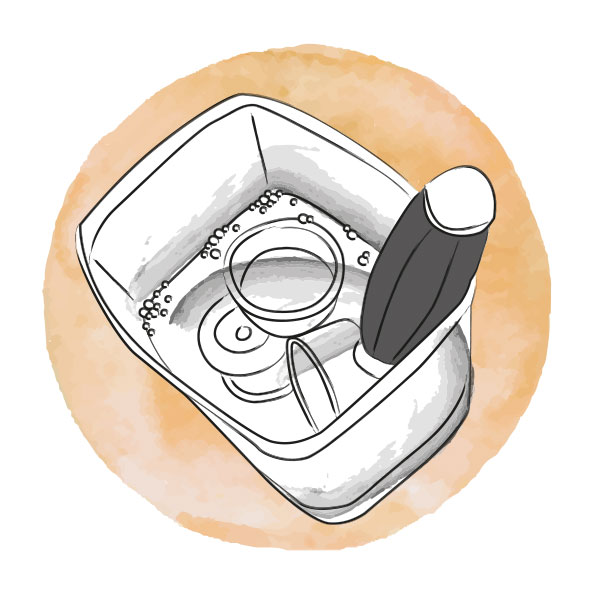
5. Put the basket, the portafilter and any screens into a hot solution of cleaning detergent for 15 minutes. Do not submerge the entire portafilter, just the metal part.

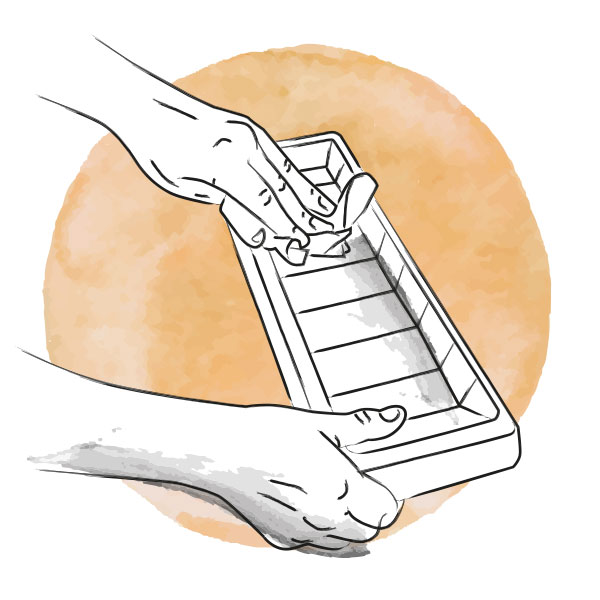
6. Remove and clean out the drip tray, ensuring the drain is clean and clear of blockages.

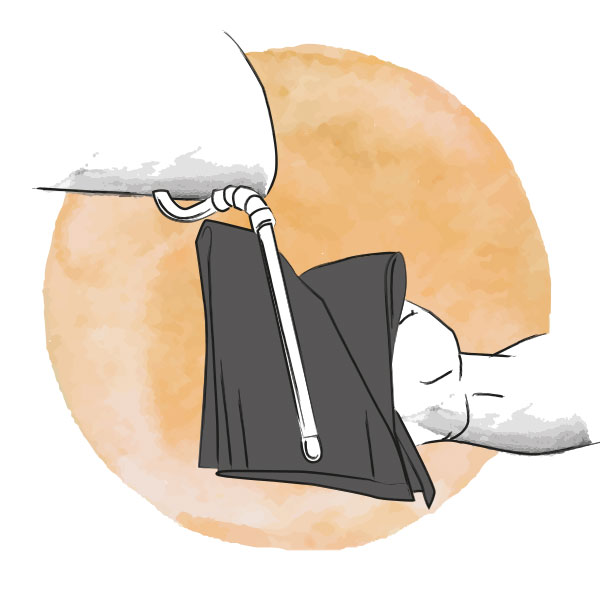
7. Wipe down the steam wands. If you need to remove hardened residue, place in cold water and turn on for a few seconds. Once hot the residue will wipe clean.

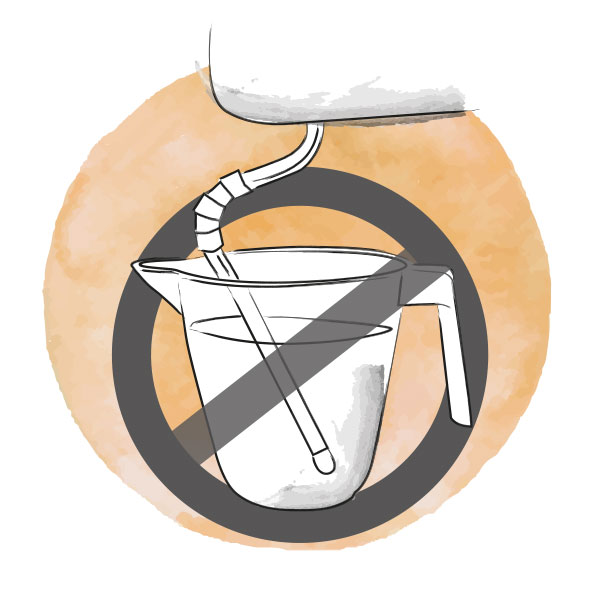
8. Never leave a steam wand soaking in water overnight because they will suck up dirty water into the boiler.

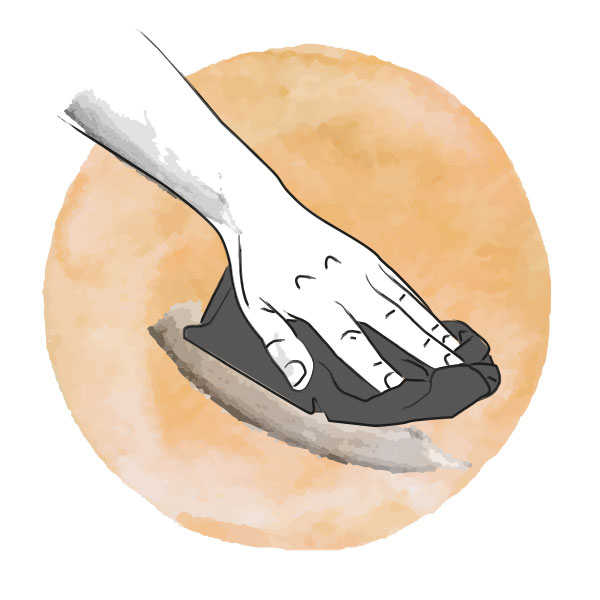
9. Clean exterior of machine with a damp cloth and light detergent.

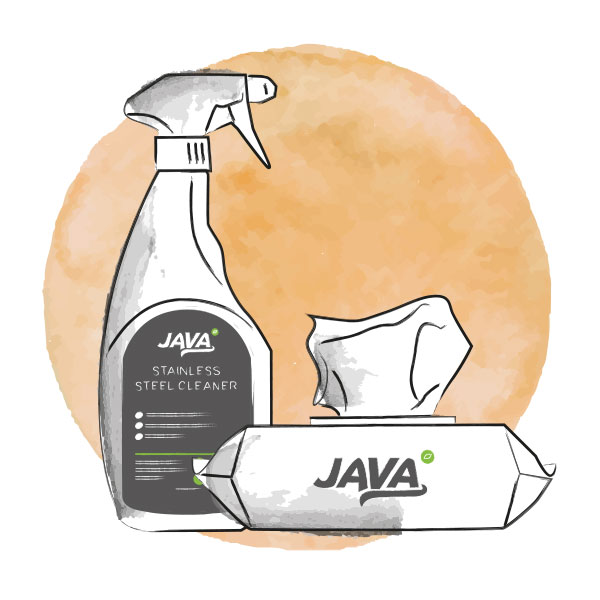
We recommend JAVA coffee equipment cleaner, steam arm wipes, general surface cleaner and stainless steel cleaner. Available from www.java-proton.co.uk

Request access to our free Coffee Craft best practice manual

Our free 20 page guide will give you a comprehensive education in the coffee industry and coffee craft, including hygiene and cleaning of the different types of coffee machine to ensure the perfect cup in your cafe, restaurant or chain.  Leave your details to request access and we will send you a unique membership log-in to download the guide.

Latest articles

The two types of coffee beans

There are two types of coffee bean: Arabica and Robusta.

Arabica is the more expensive of the beans mainly because of the higher altitude it grows and therefore is harder to harvest. It is grown at around heights of 3,000 feet above sea level.  Arabica beans have generally less caffeine, are less acidic, and have more flavour and aroma.

Arabica is used in a higher concentration for a good espresso drink, or non-milk coffee for its strength and taste.

Robusta is grown at a lower level and is far more hardy.  It is used to help preserve the coffee taste in a milk-based drink such as a latte or cappuccino.  It is grown at around 2,000 feet above sea level.  Robusta is used more in instant coffee and filter coffee to keep the roasters’ costs down to a minimum.  

It has twice the caffeine of Arabica and much less flavour.

Coffee is sold as either 100% Arabica or a blend of the two beans.  When coffee is blended to an individual blend, the roaster can manipulate the flavour of the blend by adjusting the percentages of Arabica and Robusta beans used.


Request access to our free Coffee Craft best practice manual

Our free 20 page guide will give you a comprehensive education in the coffee industry and coffee craft, including hygiene and cleaning of the different types of coffee machine to ensure the perfect cup in your cafe, restaurant or chain.  Leave your details to request access and we will send you a unique membership log-in to download the guide.

Latest articles

The history of coffee

Today, coffee is the third highest commodity after oil and tobacco.  But how did this plant get from some strange bushes discovered by goatherds in the Ethiopian hills, to the beverage that we all love and drink more than 2 billion cups a day of?

850 AD

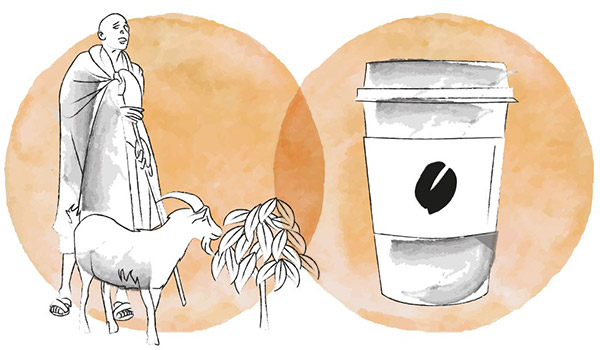
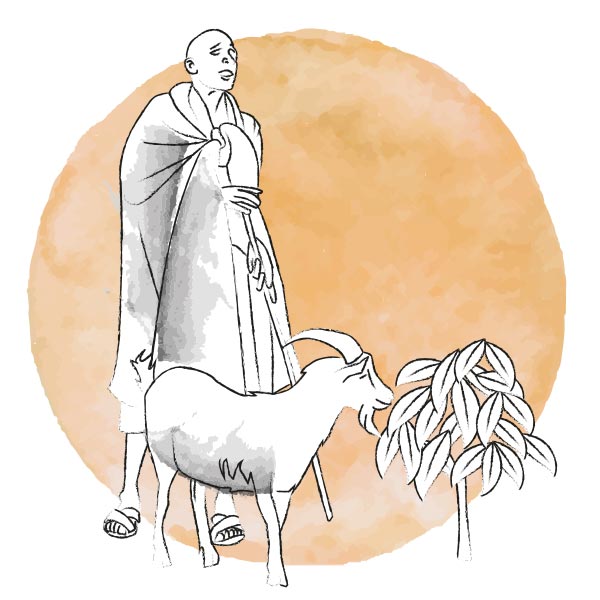
Legend says that a herder in Ethiopia discovered that when his goats ate berries from a certain tree, they became so energetic they did not want to sleep at night. He reported this to a local monastery who made a drink from the berries and found it had the same effect.

1100

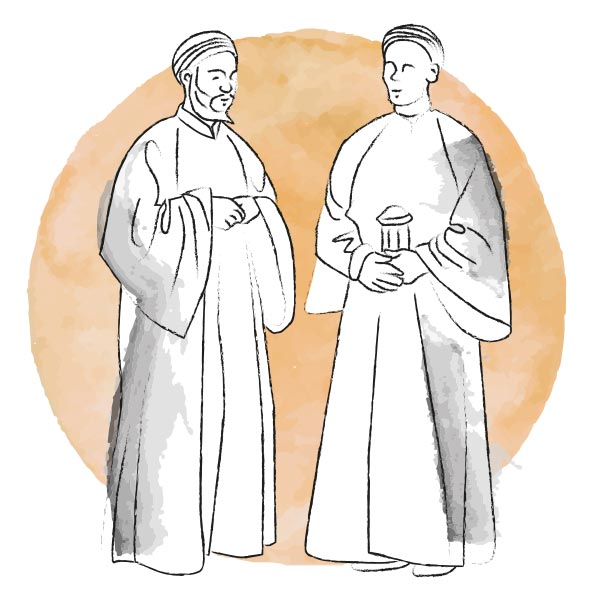
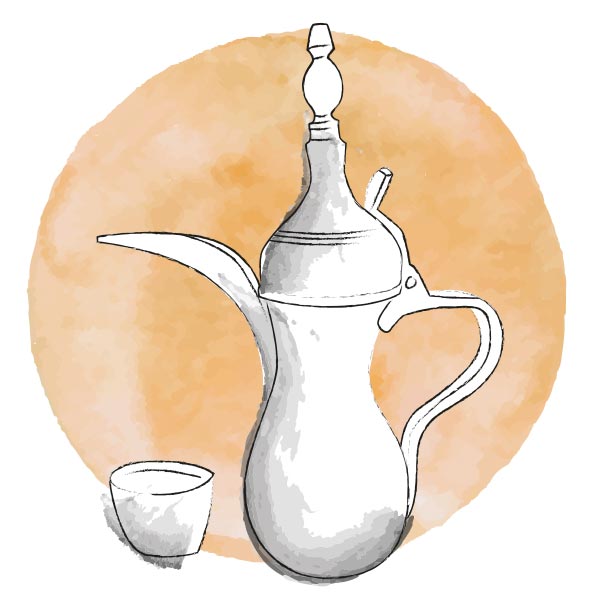
Monks eventually took the plants over the Arabian peninsular, in particular into Yemen, and cultivated the trees.  

1475

The first coffee shop opened in Constantinople.

1600

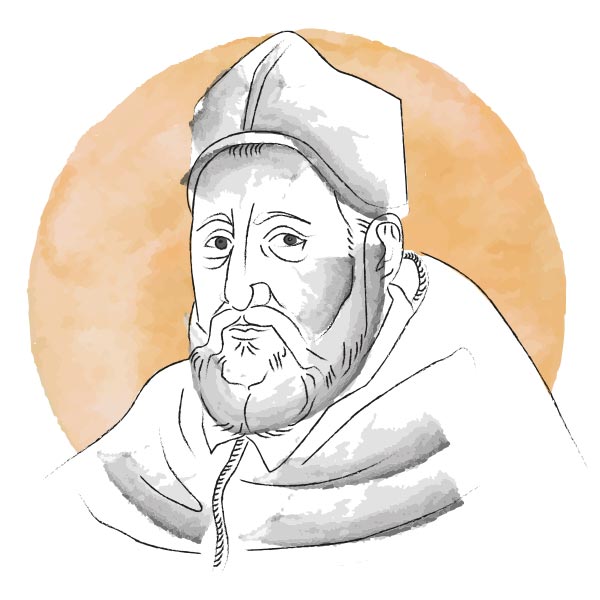
Through exploration and improvements in trade, coffee entered Europe via Venice. Italians felt the drink was evil due to the effects it had, and so it was taken to the Pope.  When he drank it and enjoyed it, he baptised the drink and made it acceptable to the Italian population.

1652

The first coffee house opens in England called Queen’s Lane Coffee House in Oxford by Cirques Jobson.  It is still open today.

1654

Italy opens its first Coffee House, and the word café comes from the name of the drink, caffee, that they served.

1822

The first prototype of an espresso machine was made in France, but the technicalities of using the steam and being able to extract water that was not so hot it burnt the beans proved difficult.

1905

Italy produces the first commercial coffee machine.

1908

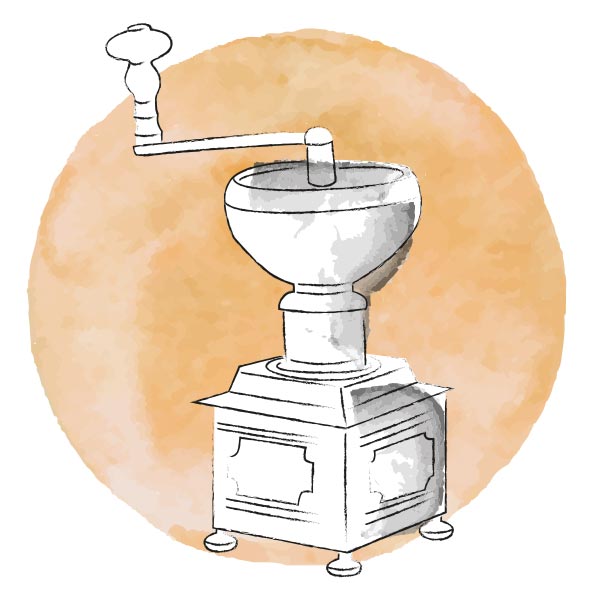
The first coffee filter was invented by German housewife Melitta Bentz.

1933

Illy manufactures the first automatic coffee machine.

1995

Coffee sales reach more than 400 billion cups and it becomes the second highest trading commodity after oil.

Today

Today, coffee is still the third highest commodity after oil and tobacco.

Request access to our free Coffee Craft best practice manual

Our free 20 page guide will give you a comprehensive education in the coffee industry and coffee craft, including hygiene and cleaning of the different types of coffee machine to ensure the perfect cup in your cafe, restaurant or chain.  Leave your details to request access and we will send you a unique membership log-in to download the guide.

Latest articles

Member log-in

Don’t have a member log-in?
Email help@coffeecraftuk.com